





The World of Truffles: Varieties, Products, and Market Insights
Introduction
Truffles, the subterranean fungi prized for their intoxicating aroma and unique flavor, are among the most sought-after culinary delicacies in the world. With a rich history and a diverse range of species, truffles have captivated gourmands, chefs, and food enthusiasts alike. This article explores the varieties of truffles, their culinary applications, market dynamics, and the fascinating world of truffle hunting.
Truffle Varieties
1. White Truffle (Tuber magnatum)
Known as the "diamond of the kitchen," the Italian white truffle (Tuber magnatum) is the most expensive and aromatic variety. Found primarily in the Piedmont region of Italy, particularly around Alba, it has a pungent, garlicky scent and a delicate flavor that shatters when heated, making it best served raw.
2. Black Truffle (Tuber melanosporum)
Often referred to as the Perigord truffle, the black truffle (Tuber melanosporum) is a French culinary treasure. With a robust, earthy flavor, it is commonly used in cooked dishes, such as sauces and risottos. Its season runs from November to March.
3. Summer Truffle (Tuber aestivum)
Less intense than its black or white counterparts, the summer truffle (Tuber aestivum) is more affordable and has a mild, nutty flavor. It is harvested from May to August and is versatile in both raw and cooked dishes.
4. Winter Truffle (Tuber brumale)
Similar in appearance to the black truffle, the winter truffle (Tuber brumale) has a milder aroma and is often used as a more economical substitute for Tuber melanosporum.
5. Burgundy Truffle (Tuber uncinatum)
This variety, closely related to the summer truffle, is harvested in autumn and has a stronger aroma. It is popular in French cuisine and pairs well with poultry and eggs.
6. Bianchetto Truffle (Tuber borchii)
Often confused with the white truffle, the bianchetto truffle (Tuber borchii) has a lighter color and a garlicky, slightly metallic taste. It is more affordable and harvested in winter and early spring.
Truffle Products
Beyond fresh truffles, a wide array of truffle-infused products allows enthusiasts to enjoy their flavor year-round:
Frozen Truffle: Preserves the aroma and texture, ideal for cooking. Dried and Dehydrated Truffle: Concentrated flavor for long-term storage. Truffle Slices and Minced Truffle: Convenient for garnishing dishes. Truffle Butter, Oil, and Salt: Infused products that add truffle essence to meals. Truffle Sauce and Tartufata: Ready-to-use condiments for pasta and meats. Truffle Honey with white truffles and Carpaccio: Unique pairings for gourmet experiences.Truffle Market and Pricing
The Our recommended truffle recipes market is highly dynamic, with prices fluctuating based on season, quality, and availability. White truffles (Tuber magnatum) can command prices upwards of $3,000 per pound, while black truffles (Tuber melanosporum) range between $800 and $1,500 per pound. Summer and burgundy truffles are more affordable, often priced under $300 per pound.
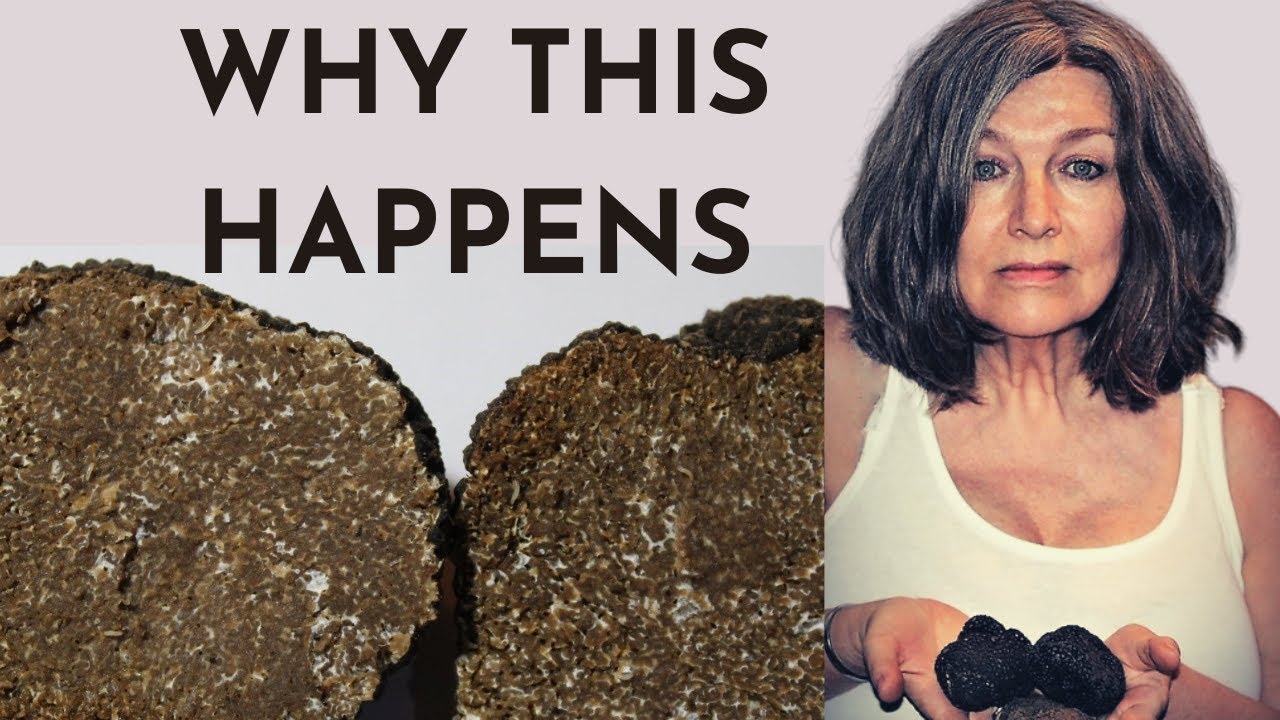
Buying truffles online has become increasingly popular, with wholesale distributors offering fresh, frozen, and dried options. Key considerations include sourcing from reputable suppliers, understanding seasonality, and ensuring proper storage to maintain quality.
Truffle Hunting and Dog Training
Traditionally, pigs were used to hunt truffles, but today, specially trained dogs are preferred due to their less destructive nature. Truffle dog training involves scent kits and positive reinforcement to identify ripe truffles. Truffle oil, sometimes used in training, should be free from harmful additives if used around dogs.
Culinary Applications
Truffles elevate dishes with their unparalleled aroma. Popular uses include:
Truffle Pasta and Risotto: Shaved truffles or infused oils add depth. Truffle Butter: Enhances steaks and vegetables. Cooking with Dried Truffles: Rehydrated for sauces and soups.Storage and Shelf Life
Fresh truffles are perishable and should be stored in airtight containers with rice or paper towels to absorb moisture. Freezing or dehydrating extends their shelf life, while freeze-dried truffles offer a longer-lasting alternative.
Conclusion
Truffles, in their many forms, represent the pinnacle of gourmet ingredients. From the rare white truffles of Alba to the versatile black truffles of Perigord, their allure lies in their complexity and scarcity. Whether enjoyed fresh, infused, or preserved, truffles continue to inspire culinary creativity and passion worldwide.