





Introduction
Truffles, the subterranean fungi belonging to the genus Tuber, are among the most coveted culinary delicacies worldwide. Prized for their intense aroma and unique flavor, truffles are classified into several varieties, including white truffle (Tuber magnatum), black truffle (Tuber melanosporum), summer truffle (Tuber aestivum), winter truffle (Tuber brumale), and burgundy truffle (Tuber uncinatum). Each type exhibits distinct characteristics in terms of seasonality, aroma, and market value. This observational research explores the diversity of truffles, their commercial products, market dynamics, and culinary applications.
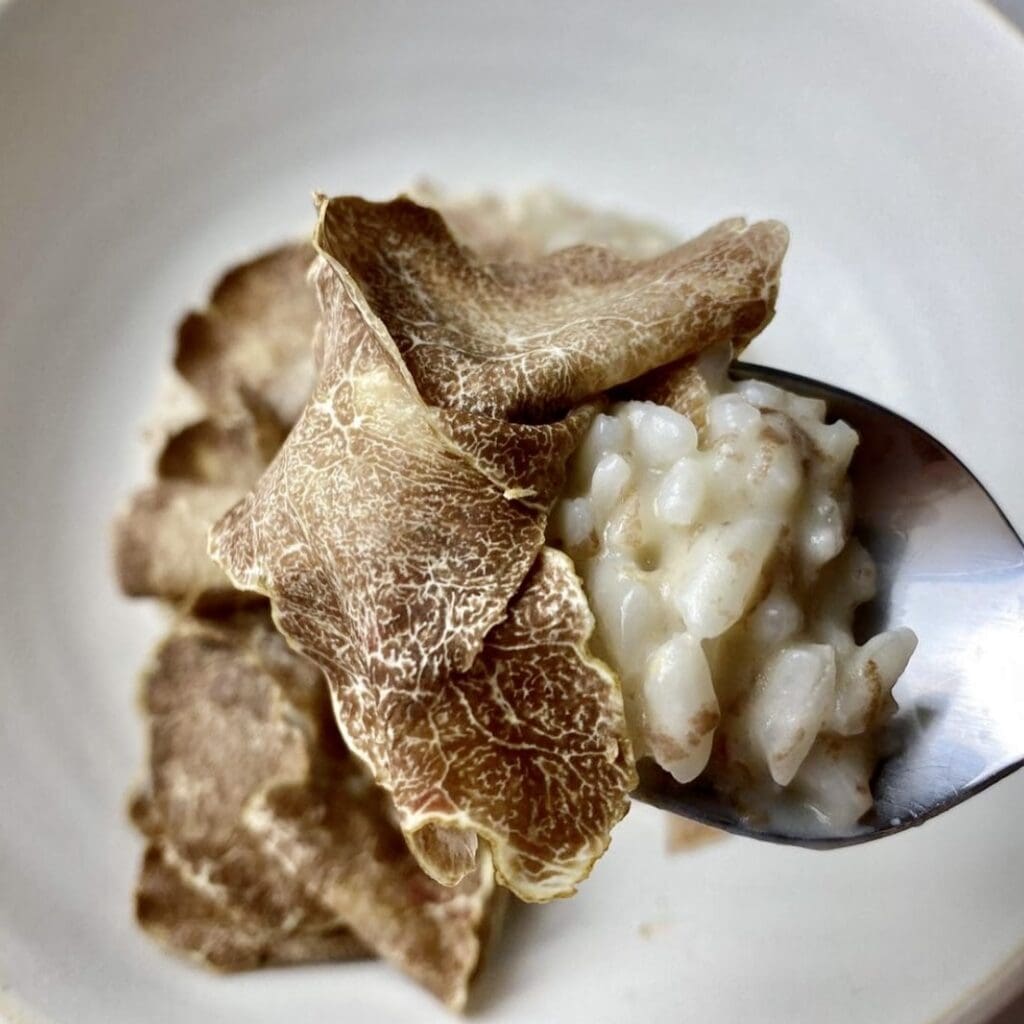
Truffle Varieties and Their Characteristics
The white truffle (Tuber magnatum), primarily found in Italy’s Alba region, is renowned for its pungent aroma and limited shelf life, making it the most expensive variety. In contrast, the black Perigord truffle (Tuber melanosporum), native to France, boasts a robust, earthy flavor and is highly sought after in gourmet cuisine. The summer truffle (Tuber aestivum) and burgundy truffle (Tuber uncinatum) are milder in flavor and more affordable, while the bianchetto truffle (Tuber borchii) offers a garlicky note, often mistaken for the prized white truffle.
Commercial Truffle Products
Beyond fresh truffles, the market offers processed products to extend shelf life and accessibility. Frozen truffles retain much of their aroma, while dried and dehydrated truffles are convenient for long-term storage. Truffle slices and minced truffle are popular for garnishing dishes, whereas truffle butter, truffle oil, and truffle salt infuse everyday meals with luxury. Specialty items like tartufata (a truffle paste), truffle honey, and truffle carpaccio cater to diverse culinary preferences.
Truffle Market Dynamics
The truffle trade thrives both online and offline, with platforms offering options to buy truffles online or engage in truffle wholesale. Distributors and buyers negotiate prices based on seasonality and quality, with white truffle prices soaring up to €5,000 per kg during peak season. The black truffle price fluctuates between €800–€2,000/kg, while summer truffles are more affordable (€200–€500/kg). Factors like truffle delivery logistics and freshness significantly influence truffle cost per kilo.
Truffle Hunting and Canine Training
Traditionally, pigs were used to locate truffles, but today, truffle hunting dogs are preferred for their precision and less destructive nature. Specialized truffle dog training kits and truffle scent for dog training are employed to hone their skills. Notably, truffle oil for dogs is debated—while some use it for training, its safety depends on the absence of harmful additives.
Culinary Applications
Truffles elevate dishes like truffle pasta, truffle risotto, and scrambled eggs. Cooking with dried truffles requires rehydration, while minced black truffle can be stirred into sauces or butter. Truffle-infused oil and truffle butter recipes are staples in gourmet kitchens, though quality varies based on the use of natural vs. synthetic flavorings.
Storage and Preservation
Storing fresh truffles demands airtight containers with rice or paper towels to absorb moisture. For longevity, freeze-Dried Black Winter Truffle truffles or dehydrating truffles are effective, though they may lose some aroma. Frozen white truffle and frozen black truffle products offer a balance between convenience and flavor retention.
Conclusion
Truffles remain a symbol of gastronomic excellence, with their varieties, products, and market dynamics reflecting their cultural and economic significance. From the forests of Alba to haute cuisine kitchens, truffles continue to captivate chefs, traders, and food enthusiasts alike. Understanding their nuances—from truffle shelf life to truffle hunting practices—enhances appreciation for this extraordinary fungus.