




An Observational Study on Truffles: Varieties, Products, Market Dynamics, and Culinary Uses
Introduction
Truffles, the subterranean fungi prized for their aromatic and culinary value, have captivated gourmands and chefs for centuries. This observational research explores the diverse varieties of truffles, their commercial products, market dynamics, and applications in gastronomy. From fresh and preserved truffles to dog training kits, the truffle industry spans a wide spectrum of uses and economic significance.
Truffle Varieties
The most coveted truffle species include:
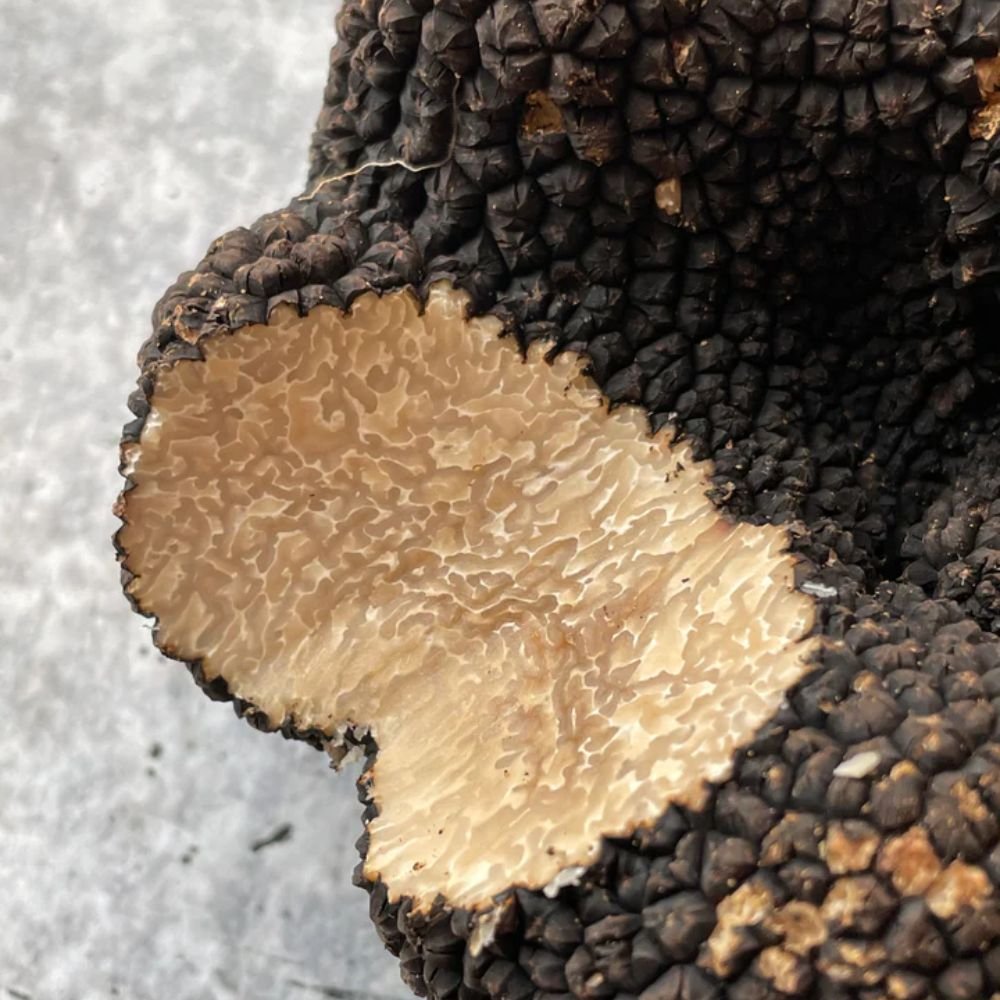
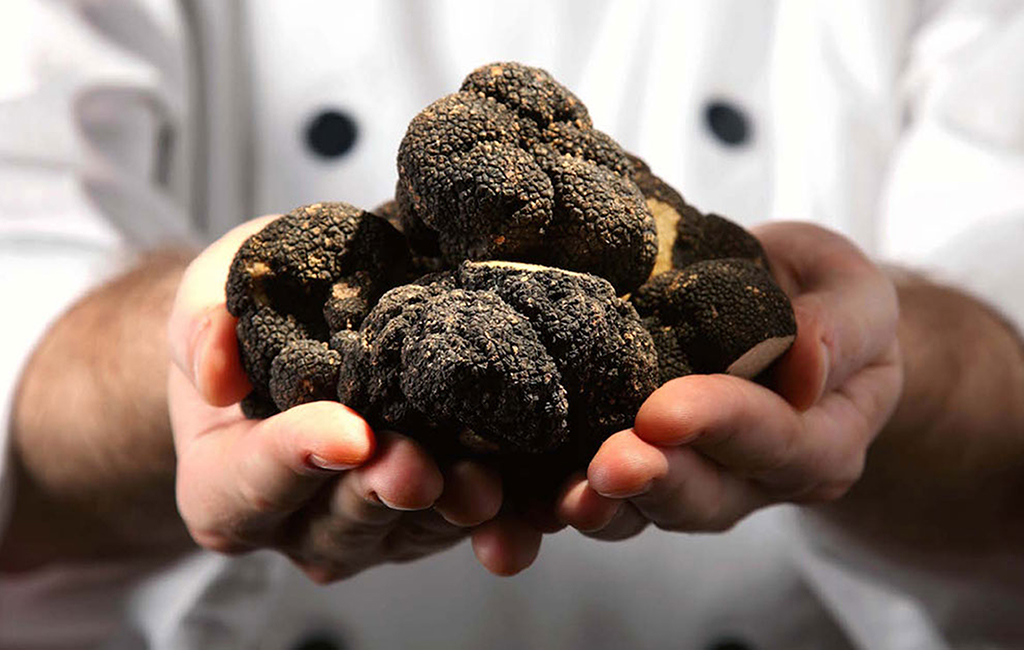
Tuber magnatum (Italian White Truffle): Known for its intense aroma, primarily harvested in Alba, Italy. Tuber melanosporum (Perigord Black Truffle): A French delicacy with a robust, earthy flavor. Tuber aestivum (Summer Truffle): Milder in scent, widely used in European cuisine. Tuber brumale (Winter Truffle): Similar to melanosporum but less potent. Tuber uncinatum (Burgundy Truffle): Harvested in autumn, with a nutty profile. Tuber borchii (Bianchetto Truffle): A less expensive white truffle alternative.Commercial Truffle Products
Beyond Fresh Black Truffle truffles, the market offers processed variants:
Preserved Truffles: Frozen, dried, or dehydrated truffles extend shelf life. Prepared Foods: Truffle slices, minced truffle, truffle butter, and tartufata (a truffle paste). Condiments: Truffle oil, salt, honey, and sauces enhance dishes. Specialty Items: Truffle carpaccio for gourmet plating.Truffle Market Dynamics
The truffle trade thrives on wholesale distribution, online sales, and fluctuating prices. Key observations:
Pricing: White truffles (Tuber magnatum) command the highest prices, often exceeding €5,000/kg, while black truffles (Tuber melanosporum) range between €800–€2,000/kg. Distribution: Buyers source truffles online, with fresh, frozen, or dried options available globally. Seasonality: Alba white truffles peak in autumn, while Perigord black truffles dominate winter markets.Culinary Applications
Truffles elevate dishes Tagliatelle with Porcini Mushrooms their unique umami richness:
Classic Pairings: Truffle pasta, risotto, and infused oils. Innovative Uses: Truffle butter in sauces, honey drizzled over cheeses. Storage Tips: Fresh truffles last ~1 week; freezing or dehydrating preserves them longer.Truffle Hunting and Canine Training
Trained dogs are indispensable for locating truffles. Observations include:
Dog Training: Truffle scent kits and rewards condition dogs to detect truffles. Safety: Truffle oil for dogs is debated; pure truffle scent is preferred for training.Conclusion
Truffles remain a luxury ingredient with a vibrant market and diverse applications. From Alba’s white truffles to innovative truffle products, their allure persists in global gastronomy. Understanding their varieties, pricing, and culinary potential enriches appreciation for this fungal delicacy.