





Introduction to Salsa Tartufata Bianca
Salsa tartufata bianca, a luxurious Italian condiment, combines finely chopped white truffles (Tuber magnatum pico) with mushrooms, olive oil, and spices. This creamy sauce is prized for its earthy, aromatic flavor and is commonly used to enhance pasta, risotto, and grilled meats. Its premium status stems from the inclusion of Tuber magnatum, the rare white Truffle Shelf life native to Italy’s Piedmont region, which commands prices exceeding €5,000 per kilogram depending on seasonality and quality.
Truffle Varieties and Pricing
The global truffle market features diverse species, including:
- Tuber magnatum (Alba White Truffle): Fresh specimens sell for €3,500–€6,000/kg, with frozen variants (€1,200–€2,500/kg) offering extended shelf life.
Truffle wholesalers source directly from foragers, offering bulk discounts of 10–25% for orders exceeding 5 kg. Frozen truffles (whole or minced) dominate international trade, retaining 70% of their aroma for up to 12 months. Notable distributors include Urbani Tartufi and Sabatino Tartufi, specializing in dehydrated slices, oils, and tartufata sauces.
Canine Truffle Training
Truffle-hunting dogs are trained using kits infused with Tuber melanosporum or magnatum scent. Ethical breeders avoid synthetic oils, as dogs can distinguish natural terroir-specific aromas. Truffle oil for dog training (€30–€50/50ml) must exclude garlic or onion additives, which are toxic to canines. Veterinarians caution against feeding truffle products to dogs due to potential digestive sensitivities.
Culinary and Commercial Applications
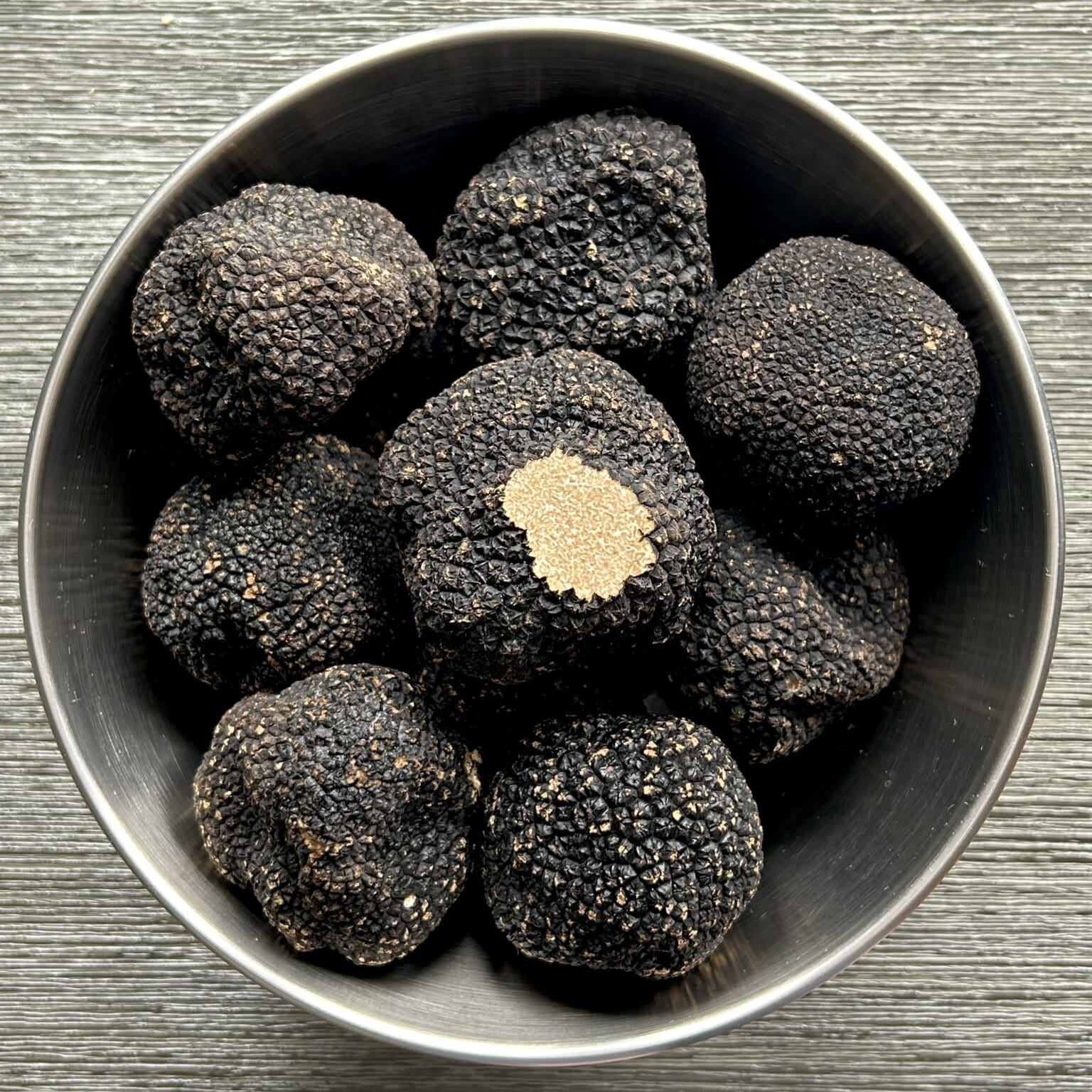
- Truffle Oils: High-quality versions blend olive oil with real truffle extract (€20–€100/100ml), while cheaper alternatives use synthetic 2,4-dithiapentane.
Climate change has reduced European truffle yields by 15–20% since 2015, spurring interest in cultivated varieties from Australia and Terra-ross.com the U.S. Counterfeit products, particularly in the oil sector, remain a concern—legitimate labels list "Tuber" species in ingredients. Emerging markets in Asia now account for 35% of global luxury truffle demand, with China’s domestic production of Tuber indicum impacting lower-grade sales.
Conclusion
From salsa tartufata bianca to canine training kits, truffles maintain their status as a culinary and economic powerhouse. As sustainability practices and authentication technologies advance, the sector is poised to balance tradition with innovation, ensuring this "diamond of the kitchen" remains accessible to gourmands and professionals alike.